
Energy is one of the largest operating expenses facing commercial cannabis cultivators. Indoor cultivation requires substantial electricity to power high-intensity grow lights, HVACD systems, environmental control equipment, irrigation, and other critical infrastructure. As utility rates continue to rise and cultivation margins remain under pressure, reducing cultivation energy costs has become an important part of managing the cost of production.
Improving energy efficiency, however, requires more than simply choosing energy-efficient equipment. Some of the greatest opportunities for savings come from coordinating lighting, environmental systems, and facility operations so they work together as one integrated cultivation system.
From optimizing lighting schedules to identifying unnecessary power consumption, here are five ways commercial cannabis cultivators can reduce energy costs while maintaining the environmental consistency required for productive harvests.
 1. Improve Lighting Efficiency with Recipes
Lighting represents a significant share of electricity consumption in indoor cannabis cultivation facilities. Running every fixture at maximum intensity throughout the cultivation cycle can result in unnecessary energy use, especially when different cultivars and stages of plant development require different lighting conditions.
To curb cultivation energy costs, operators can develop lighting recipes to adjust intensity, spectrum, and scheduling based on the cannabis plant's strain or growth stage. These recipes can be repeated across cultivation cycles, helping operators standardize lighting strategies while controlling when and how much energy fixtures consume. Over time, using production and environmental data, cultivators can refine recipes and identify the most efficient approach for their facility.
2. Reduce HVACD Cooling Loads
Lighting doesn’t just consume electricity; it also generates heat. The more heat produced inside a cultivation facility, the harder the HVACD system must work to maintain target temperatures. While the fixtures themselves produce a large amount of heat, most of the heat comes from the drivers, or power supplies, that convert and regulate electricity for the light fixtures. Traditional lighting systems typically place these components directly above the canopy attached to the fixture adding unnecessary heat to the controlled environment.
Removing the drivers from the light fixture entirely from your grow room can reduce HVACD cooling loads significantly. By addressing heat at its source, cultivators can reduce the energy required to cool their facility while creating a more stable growing environment.
3. Mitigate Peak Electricity Rates
The sneakiest way cultivation energy costs can get out of hand is through peak electricity rates. Commercial utility providers typically charge different rates depending on when electricity is consumed, with higher prices during peak demand. For large cultivation facilities running hundreds or thousands of light fixtures, using a significant amount of electricity during peak hours can have a noticeable impact on monthly operating expenses. To combat these peak prices, cultivators need to be more strategic with their lighting schedules.
Lighting schedules and cultivation recipes can and should be programmed around utility rate structures, allowing facilities to shift certain lighting activity toward lower-cost, off-peak periods. This approach allows energy efficiency to become part of the cultivation process rather than an afterthought. By coordinating photoperiods, lighting intensity, and facility schedules, operators can reduce exposure to peak electricity rates while maintaining the lighting conditions cannabis plants need for consistent growth. Automated scheduling can also help manage these transitions without requiring cultivation teams to manually adjust settings throughout the day.
4. Optimize Environmental Controls
Lighting, temperature, humidity, VPD, and plant transpiration are all interconnected. Increasing light intensity can increase heat and plant activity, which can affect both temperature and humidity. HVAC and dehumidification equipment must then respond to maintain the desired environment. Managing these systems independently can make it difficult to see how a change in one part of the facility affects energy demand elsewhere.
Real-time environmental monitoring allows operators to better understand these connections. Tracking temperature and humidity alongside lighting and other cultivation data allows operators to better understand VPD, environmental trends, and overall facility performance.
With greater visibility, cultivation teams can make more informed decisions about equipment operation and environmental setpoints instead of relying exclusively on fixed schedules or reacting to problems after conditions move outside their target ranges. More precise environmental management can help reduce unnecessary cooling and dehumidification while maintaining the stable conditions required for consistent plant development.
5. Use Data to Identify Energy Waste
Reducing energy costs starts with knowing where energy is being used. Without real-time visibility, cultivators may not recognize an inefficient piece of equipment or abnormal power consumption until they receive a higher-than-expected utility bill.
Proper data and insights can help operators identify unusual patterns and investigate potential issues before they contribute to prolonged energy waste or equipment failure. Monitoring power consumption and facility performance can also help evaluate the relationship between energy consumption and production. Rather than just trying to use less energy, operators can pinpoint exactly where the waste is coming from and adjust accordingly without compromising production efficiency or quality.
Reduce Cannabis Cultivation Energy Costs With 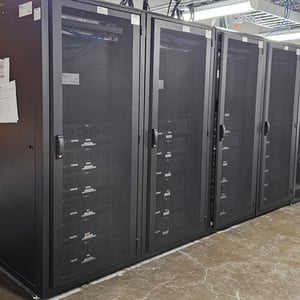 GROWHub Cultivation Software
TSRgrow’s GROWHub platform transforms your facility from a reactive environment into an autonomous, energy-optimized ecosystem. Bringing together lighting efficiency, environmental controls, energy data, and remote power integration under one platform allows cultivators to shift from simply monitoring energy consumption to actively managing when, and how power is used. Other energy-saving features include:
- Dynamic LED controls: Allow operators to adjust intensity, spectrum, and schedule based on strain and growth stage, helping reduce unnecessary lighting consumption.
- Remote power server integration: Removes heat-generating drivers from the grow room, potentially reducing HVAC cooling loads by 20-30%.
- Calendar-based scheduling and recipes: Shift energy-intensive operations toward lower-cost, off-peak hours when appropriate.
- Environmental monitoring: real-time temperature, humidity, and VPD monitoring helps prevent unnecessary cooling and dehumidification.
- Energy Data: provide visibility into unusual power consumption or equipment inefficiencies.
By connecting these functions, GROWHub helps cannabis cultivators move from reacting to high energy bills to actively optimizing power consumption and reducing operating costs. Ready to take control of your cultivation facility's energy costs?
